
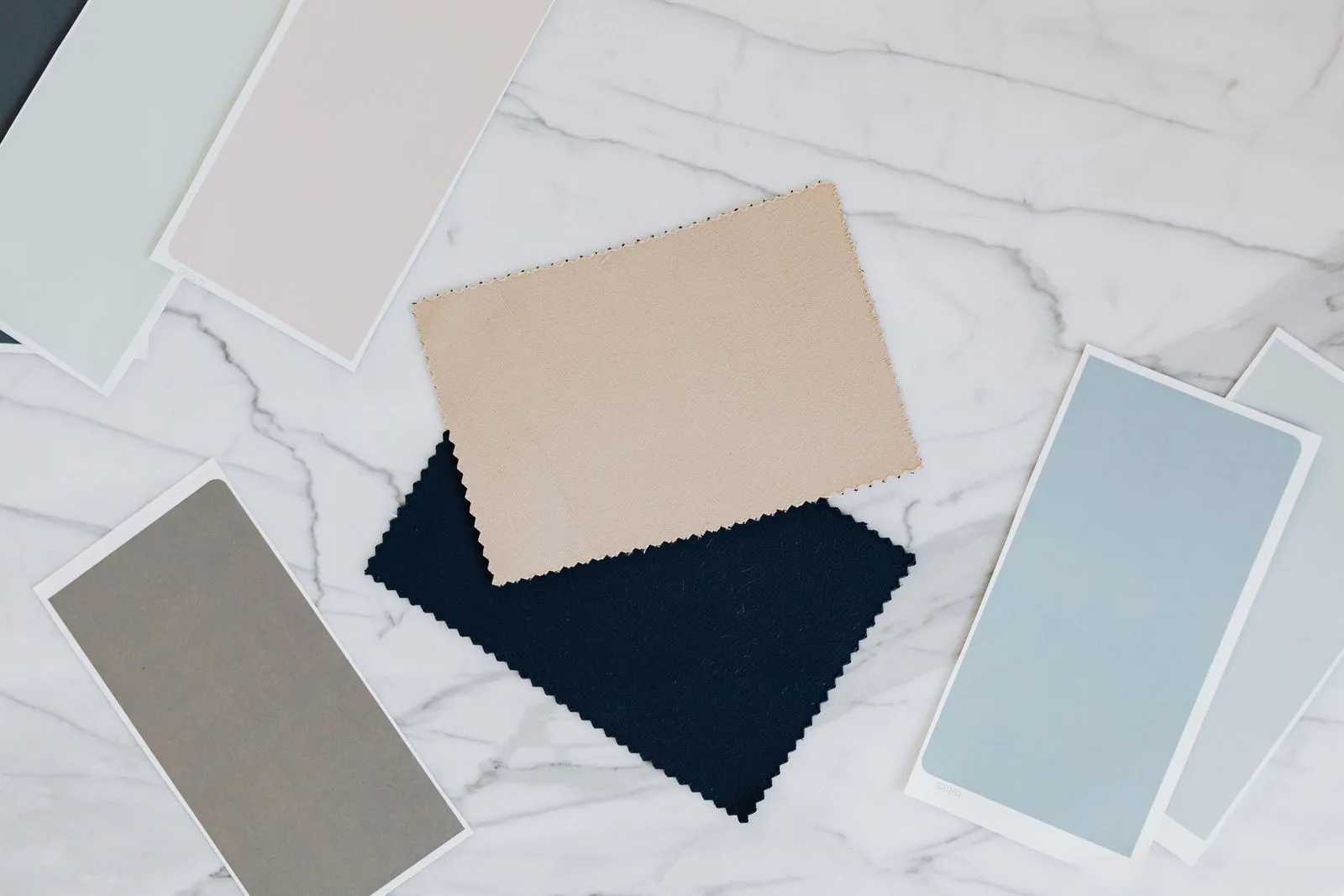
Paper affects how a printed piece looks, feels, and performs. A lightweight flyer is easy to hand out, while a sturdy invitation can signal that an event matters before guests read a word. The right choice depends on where the piece will go, how long people should keep it, and what impression it needs to make. Compare three factors—weight, finish, and feel—to narrow your options and avoid paying for qualities your project does not need.
Understand Paper Weight
Paper weight gives you a useful sense of thickness and sturdiness, but labels can vary by paper type and measurement system. When comparing options, ask your printer to show you actual samples rather than relying on a number alone. A heavier sheet generally feels more substantial and resists bending, while a lighter sheet is easier to carry, fold, and distribute in large quantities.
For handouts meant to be read once, a lighter text paper may be practical. Brochures that need to hold their shape often benefit from a heavier text stock or a cover stock, especially if they have only a few panels. Invitations and announcement cards usually call for a sturdier stock that feels deliberate and can handle mailing. Check folding and postal requirements before choosing the heaviest option.
Choose a Finish for the Message
Gloss and other coated finishes can make photographs and saturated colors appear vivid, but they may reflect light and show fingerprints. A matte finish reduces glare and supports a quieter, more refined look. Uncoated paper has a natural, writable surface, which can be useful for forms, note areas, or pieces where a less polished feel suits the design.
Match the finish to how people will use the piece. A promotional flyer with product photos may benefit from a coated surface, while a brochure with substantial reading may be easier to scan on matte or uncoated stock. For invitations, consider whether guests need to write a response or add a note. Ask for a sample with similar ink coverage, since large dark areas can look different on different finishes.
Think About Feel and Handling
Texture contributes to the first impression. Smooth stock feels clean and contemporary; a lightly textured sheet can add warmth or formality. Texture also affects small details: fine type, thin lines, and detailed images may reproduce less sharply on a rough surface. If your design includes delicate lettering, inspect a printed proof or sample at normal reading distance before approving the paper.
Consider how the piece will be handled, stored, or mailed. A folded brochure needs a stock that creases cleanly, and a thick sheet may require scoring to help prevent cracking along the fold. An invitation with layered details may need an envelope that fits without bending the card. Ask the printer to confirm folding, trimming, and mailing compatibility for the exact stock you select.
Match Stock to the Project
For a short-lived event flyer, prioritize readability and easy distribution over extra thickness. For a take-home brochure, choose enough weight to feel durable without making it bulky. For an invitation, let the event’s tone guide the choice: smooth, bright stock can feel modern, while a softer or textured sheet can feel more traditional. Keep the design, quantity, and delivery method in the decision.
Before ordering, compare paper samples under the lighting where people will read the piece. Check color, texture, fold behavior, and whether the stock works with your printer’s production method. North Loop Print can help Minneapolis customers compare paper options for flyers, brochures, and invitations. Bring your design or describe the project, then request a proof when color and fine details matter.
The best paper is the one that supports the job: easy to distribute, comfortable to read, or memorable to hold. Compare real samples, consider how the piece will be used, and confirm folding or mailing needs before approving a run. Ask a local print shop to help you evaluate options for your next project.